
Complexities and Solutions in Modern License Activation
In today’s digital landscape, managing software licenses efficiently has become increasingly challenging due to the proliferation of diverse operating systems and applications. Among various methods to tackle this issue, the use of kms activator remains a prominent strategy for many IT environments. As businesses grow and technology continues to evolve, ensuring that software licensing is both compliant and efficient is paramount. This necessity has given rise to tools that can automate and streamline the license activation process, making kms activator an essential component in many IT departments.
The Functionality of KMS Activators
Key Management Service (KMS) activators are integral tools in the realm of software licensing. They automate the process of validating and activating various software products like Windows and Office suites. This method allows organizations to manage large-scale deployments easily, ensuring that each installed copy is appropriately registered without requiring individual product keys. The automation provided by kms activator not only reduces administrative overhead but also minimizes human error, which can often lead to costly compliance issues.
KMS Activator: A Versatile Solution
The kms activator facilitates seamless activation processes by communicating with Microsoft’s activation servers, providing a genuine license status to the installed software. It is particularly beneficial for environments that frequently re-image machines or face constraints such as VM configurations limited to 2 vCPU and 4 GB RAM. These scenarios are common in industries where there is a high turnover of machines or where virtual environments need frequent resets or updates. In such dynamic settings, having a reliable activation tool can significantly reduce downtime and enhance productivity.
Advantages Over Traditional Licensing Methods
Traditional activation via unique product keys can be costly and cumbersome when dealing with numerous licenses. The kms activator streamlines this by allowing networked devices to request activation from a centralized server using a digital licensing model, significantly simplifying management tasks. This model is especially advantageous in educational or large corporate settings where hundreds or thousands of devices need to be maintained with minimal disruption to daily operations. By centralizing the activation process, organizations can better allocate their resources towards strategic initiatives rather than getting bogged down with administrative tasks.
Case Study: KMSPico and Office 2019
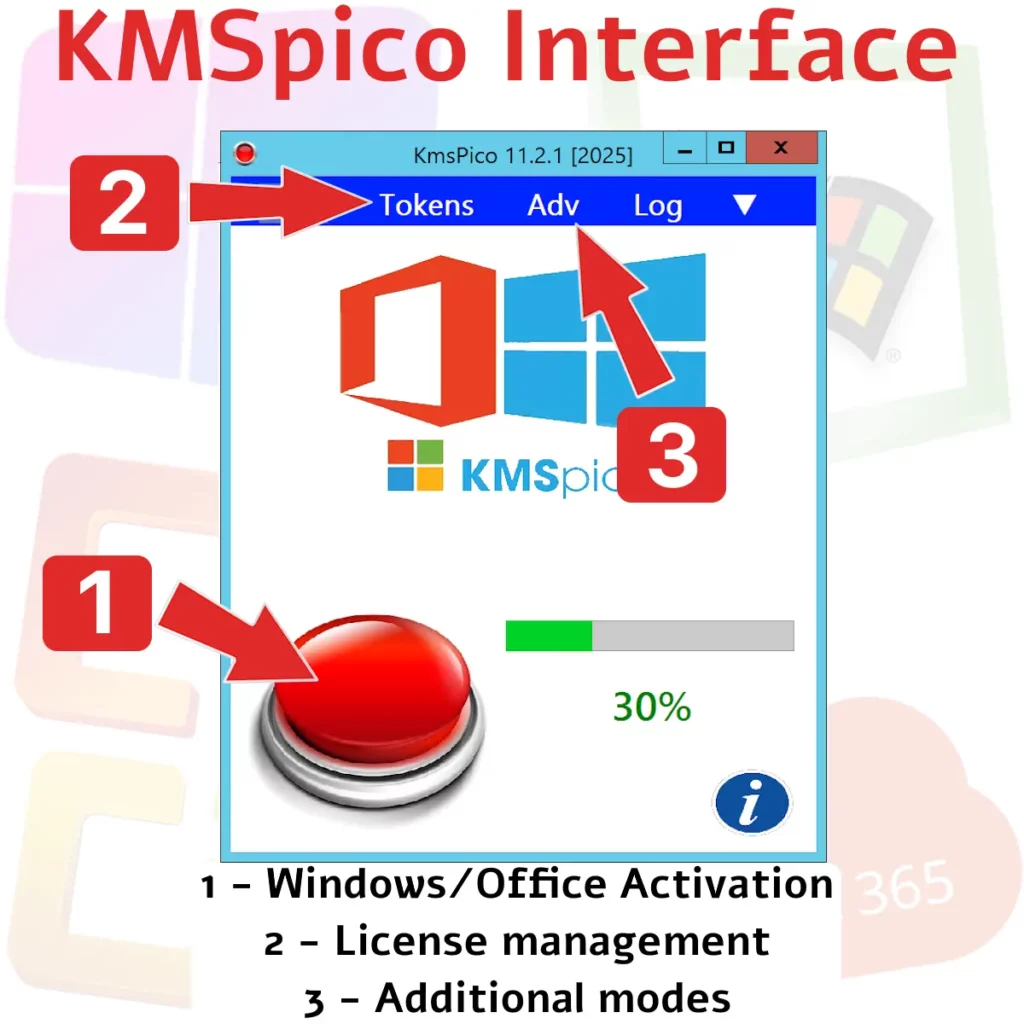
A popular example of a kms activator is KMSPico, which is widely used for activating Office 2019 suites among others. This tool bypasses the need for constant manual input of serial keys, thus automating the registration process for users handling multiple installations across an organization. By using KMSPico, IT departments can ensure that all instances of Office remain compliant with licensing terms without dedicating excessive time to manual updates. This efficiency not only saves time but also ensures consistency across all installations, reducing the risk of non-compliance due to oversight.
KMSPico’s Role in Activating Windows 7 and Beyond
KMSPico not only aids in Office activation but is also effective in activating Windows operating systems such as Windows 7. Its adaptability ensures that older systems remain updated with valid licenses without additional financial burdens on enterprises. As companies transition from older operating systems, tools like KMSPico provide a bridge that supports both legacy systems and newer platforms within a single framework. This adaptability is crucial as it allows organizations to phase out outdated systems gradually while maintaining operational integrity. Navigating the complexities of modern license activation is easier with tools like kms activator available at https://www.kmspico.lc/.
The KMS Activation Method Explained
The KMS activation method involves configuring one or more local servers which act as intermediaries between client devices and Microsoft’s verification systems. Using commands such as slmgr.vbs, administrators can manage these activations effectively within large networks. The ability to automate these processes through scripting enhances efficiency, allowing IT teams to focus on other critical tasks while maintaining compliance with licensing requirements. This automation not only improves operational efficiency but also reduces errors associated with manual input.
Why Use KMS Tools?
KMS tools, such as those used for Windows 10 or Office 2016 activation, offer an efficient alternative by centralizing license management. This approach mitigates risks associated with lost keys or incorrect entries during installation procedures. By reducing the reliance on physical key distribution and manual entry errors, organizations can maintain higher accuracy levels in their software management practices. Furthermore, the centralized nature of KMS tools offers enhanced security measures against unauthorized access or misuse of licensing details.
Challenges in Deployment
Despite their benefits, deploying kms activators requires careful planning and compliance considerations. It’s crucial that these tools are used within legal frameworks to avoid potential violations concerning software validation and product registration policies. Organizations must be diligent in understanding their specific licensing agreements and ensure that their use of kms activators complies with these terms. Failure to do so could lead to penalties or damage an organization’s reputation due to non-compliance issues.
Ensuring Compliance with Digital Licensing Standards
Organizations must ensure that the use of any kms activator aligns with their licensing agreements. Regular audits and monitoring are imperative to maintain compliance with digital licensing standards established by software vendors. Failure to adhere to these standards can result in severe penalties or legal actions against the organization. By conducting regular reviews and keeping abreast of changes in licensing policies, businesses can safeguard themselves against potential infractions.
Future Trends in License Activation
- The shift toward cloud-based solutions offers new avenues for integrating KMS technology seamlessly. As cloud computing becomes more prevalent, kms activators will likely evolve to support hybrid environments where some resources are on-premises while others are cloud-based.
- Automation advancements will likely result in more sophisticated activation toolkits that further reduce manual intervention. These innovations will aim at enhancing user experience while maintaining strict compliance protocols.
- The move towards subscription-based models may influence how kms activators are developed and deployed, ensuring they meet changing business needs while upholding security standards.
- Artificial intelligence could play a role in predictive maintenance and automated troubleshooting within the realm of software activation, offering proactive solutions instead of reactive measures.
- Integration with broader IT infrastructure management systems might emerge as a trend, enabling more cohesive control over all aspects of technology deployment within an organization.
Conclusion: The Role of KMS Activators in Modern IT Ecosystems
KMS activators play a pivotal role in modern IT ecosystems by enabling efficient license management across diverse environments. As technology evolves, these tools will continue to adapt, offering more streamlined solutions that support both legacy systems and modern cloud infrastructures alike. Their ability to provide scalable solutions makes them invaluable assets for businesses aiming to optimize their IT operations while adhering to legal standards. In an era where digital transformation is key, leveraging kms activators effectively can be a significant competitive advantage for organizations seeking innovation coupled with compliance.